Showing posts with label Renewable Energy. Show all posts

Saturday, January 6, 2024

What are the sources of energy in rural India in future?


  • In rural India, the sources of energy are diverse and can vary significantly based on geographic location, economic conditions, infrastructure availability, and cultural factors.
  • Rural areas often have unique energy needs and limitations compared to urban areas. Due to the lack of access to modern infrastructure, rural communities rely on a combination of traditional and alternative energy sources to meet their energy demands.
  • Here are some common energy sources used in rural areas:

Biomass Energy

  •  biomass materials such as wood, agricultural residues, animal dung, and crop waste are widely used in rural areas for cooking, heating, and lighting.
  • Biomass pellets are used nowadays for cooking in rural areas


sources of energy in rural areas

Solar Energy

  • Solar energy is harnessed using solar panels to generate electricity for lighting, charging small electronic devices, and running basic appliances. Solar water heaters are also used for domestic hot water needs.
  • Solar energy is used for drying of food items produced from agricultural forms like tomatoes, vegetables, grains, and cereals

sun drying of foods

Wind Energy

  • In regions with consistent wind patterns, wind turbines can be installed to generate electricity.
  • Wind energy is particularly useful for remote rural areas with limited access to the grid.

Hydroelectric Energy:

  • Some rural areas have access to water bodies or small streams that can be harnessed to generate hydroelectric power.
  • Micro-hydro systems can provide a reliable source of electricity.

Micro-Hydro Power Plant in rural areas

Micro-Grids:

  • These are localized power distribution networks that serve a small community or village.
  • They can incorporate a combination of renewable energy sources and small-scale generators to provide reliable electricity.

Biogas Plant 

  • Biogas is produced by anaerobic digestion of organic materials such as animal waste, crop residues, and kitchen waste.
  • It can be used for cooking, lighting, and heating, offering a cleaner alternative to traditional fuels.

Diesel Generators:

  • In areas where grid electricity is unavailable or unreliable, diesel generators are commonly used to provide a consistent source of electricity, especially for powering essential services like schools and healthcare facilities.

Kerosene Lamps:

  • While not a sustainable energy source, kerosene lamps are still used for lighting in some rural areas without access to electricity.
  • However, these lamps are associated with indoor air pollution and safety risks.


kerosene stove burner flame

Human and Animal Power:

  • In some cases, manual labor or animal power is used for activities like pumping water, grinding grains, and other simple mechanical tasks.

Geothermal Energy:

  • In regions with geothermal activity, geothermal energy can be harnessed for heating purposes or even for generating electricity.

Improved Cookstoves:

  • While not an energy source per se, improved cookstoves are designed to increase the efficiency of biomass combustion, reduce fuel consumption, and decrease indoor air pollution.

Efficiency Measures:

  • Implementing energy-efficient practices and appliances, such as LED lighting and energy-efficient appliances,
  • LED lights can help reduce energy consumption in rural areas.

Solar Power Charging Stations:

  • In areas with limited electricity access, mobile charging stations powered by solar panels or other renewable sources provide a way for people to charge their phones and other devices.
  • Often, a combination of these energy sources is used to create a diversified and reliable energy supply that meets the unique needs of rural communities. Sustainable development and improving energy access in rural areas often involve a mix of modernizing traditional practices and introducing cleaner and more efficient technologies.

solar power charging station

Why Biomass is most used in Rural Areas

  • Biomass is most commonly used in rural areas for several reasons, primarily due to its availability, accessibility, and suitability to the local context.
  • While biomass has numerous advantages in rural contexts, it’s important to note that traditional biomass burning can have negative consequences such as indoor air pollution, deforestation, and health issues.
  • Transitioning to cleaner and more efficient biomass stoves or alternative energy sources when possible can help mitigate these challenges while still taking advantage of the benefits that biomass offers in rural areas.

  • Here are some key factors that make biomass the preferred energy source in rural areas:

Abundant Resource:

  • In many rural areas, biomass resources such as agricultural residues, wood, crop waste, and animal dung are readily available due to agricultural activities and the presence of forests.
  • This makes biomass a convenient and accessible energy source for local communities.

Traditional Practices:

  • Rural communities often have a historical reliance on biomass for cooking and heating.
  • Traditional cooking methods using open fires or basic stoves are deeply ingrained in local cultures and habits, making biomass a familiar and culturally accepted choice.

Benefits of biomass wood stove

Lack of Modern Energy Infrastructure:

  • Rural areas, especially in developing countries, often lack access to modern energy infrastructure such as electricity and clean fuels.
  • Biomass provides a readily available alternative for cooking and heating where alternatives like electricity or clean gas are limited or absent.

Economic Constraints:

  • Biomass, being locally available, is often more affordable than alternative energy sources.
  • Rural households with limited income may find it more feasible to utilize biomass for their energy needs rather than investing in expensive modern technologies.

Simple Technology:

  • Traditional biomass stoves are relatively simple and can be made using locally available materials.
  • This makes them easy to construct and repair, allowing communities to maintain and modify the stoves according to their needs.

Cooking Preferences:

  • Biomass stoves are well-suited for traditional cooking practices,
  • which involve slow cooking, simmering, and roasting. These stoves are often better equipped to handle the cooking styles and flavors preferred in rural communities.

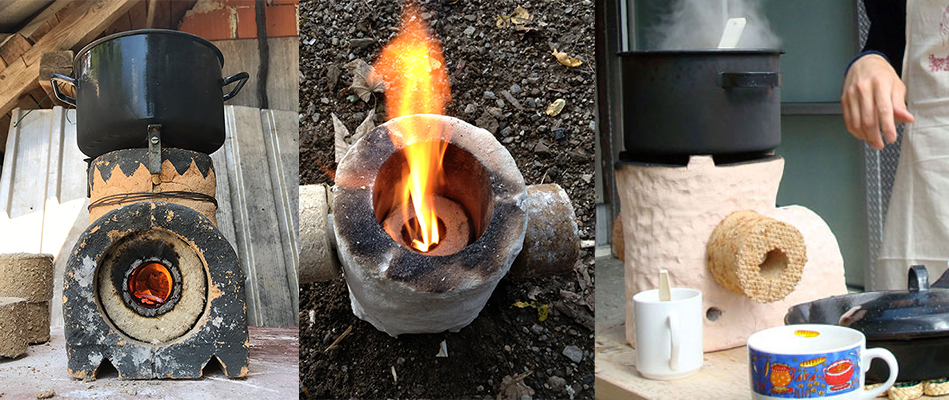
Biomass pellet stove example

Cultural Significance:

  • Biomass-based cooking methods often hold cultural significance and are associated with traditional cuisine, flavors, and community gatherings. Switching to alternative energy sources might impact cultural practices and community dynamics.

Rural Livelihoods:

  • In many rural areas, collecting biomass resources is also an economic activity that can provide livelihood opportunities for women and marginalized groups.
  • This additional income source can play a crucial role in rural economies.

Local Control:

  • Reliance on locally available biomass resources provides communities with a degree of control over their energy supply, reducing their vulnerability to external energy price fluctuations.

Limited Options:

  • In some cases, rural areas might lack the necessary infrastructure to access cleaner and more efficient energy sources. Biomass becomes the default option due to the absence of alternatives.

Biomass stoves in Rural Areas

  • provide 85-90% of the domestic energy and 75% of all rural energy.
  • Biomass, including wood, agricultural residues (such as crop stalks and husks), and animal dung, remains a significant source of energy in rural areas.
  • It is used for cooking, heating, and sometimes lighting in traditional stoves and open fires.

  • However, this reliance on biomass has health and environmental implications, particularly indoor air pollution and deforestation.

rocket type biomass stove

Traditional Fuels like Kerosene

  • In some regions, traditional fuels like cow dung cakes and crop residues are still used for cooking and heating.
  • These are often readily available, but their use contributes to air pollution.
  • Kerosene is used for lighting in many rural households that lack access to electricity.
  • However, it has several drawbacks, including safety concerns, poor illumination, and reliance on government subsidies.
  • A kerosene stove is commonly used for cooking in areas where access to cleaner and more modern cooking technologies is limited. Here’s how a kerosene stove is used for cooking:
    1. Fuel Preparation: The first step is to ensure that the kerosene stove’s fuel tank is filled with kerosene. The stove may have a separate fuel tank or a refillable canister that needs to be filled before cooking.
    2. Ignition: To start the cooking process, the user needs to ignite the burner. This is typically done using a match or a lighter. Some kerosene stoves may have a built-in ignition mechanism.
    3. Flame Adjustment: After ignition, the user can adjust the intensity of the flame by using the stove’s controls. These controls allow the user to increase or decrease the amount of fuel being burned, thus regulating the heat output.

Picture-iron-kerosene-stove 

Electricity from Solar Energy:

  • The Indian government has been working to extend electricity access to rural areas through various initiatives, such as the “Saubhagya” scheme, which aims to provide electricity connections to every household.
  • Renewable energy sources like solar power and small-scale hydroelectric projects are being deployed to improve rural electrification rates.
  • Solar cells are used to generate electricity

Biogas Plant

  • Biogas, generated from the anaerobic digestion of organic waste, is used in some rural areas for cooking and lighting.
  • This source of energy has the advantage of being relatively clean and reducing dependence on traditional biomass.

LPG (Liquefied Petroleum Gas) Stove

  • The government has promoted LPG as a cleaner cooking fuel, like “Pradhan Mantri Ujjwala Yojana. This scheme was focused to provide LPG connections to households below the poverty line.
  • While LPG usage has increased in rural areas, challenges such as affordability and availability persist.
  • However, the cost of LPG stove with gas cylinder  is more than the a biomass wooden stove

  • Mini-Grids: In some remote areas, decentralized mini-grids powered by renewable energy sources, such as solar or small-scale wind, are being implemented to provide electricity for lighting and other basic needs.

Micro hydraulic Power

  • Micro-hydraulic power systems in rural areas refer to small-scale installations that utilize the energy generated by flowing water, such as streams or rivers, to generate electricity. These systems are often implemented in remote or off-grid regions where traditional power sources are scarce or unreliable.
  • Economical support is provided by world banks to many African and Asian countries for establishment of the hydraulic turbine in rural areas

micro hydropower generation

Parts of the hydraulic system 

  • Here’s an overview of how micro hydraulic power systems work in rural areas:

Water Source:

  • Micro-hydraulic power systems require a consistent and reliable water source, such as a river or stream with a steady flow of water.
  • The amount of available water flow and the height difference (head) between the water source and the turbine location determine the potential energy that can be harnessed.

Intake Structure:

  • A system typically begins with an intake structure that diverts water from the source to the turbine.
  • This structure should be designed to minimize environmental impact and prevent damage to aquatic life.

 Penstock:

  • The diverted water is channeled through a penstock, a pipe or channel that directs the water to the turbine.
  • The pressure generated by the flowing water as it descends creates kinetic energy, which is then converted into mechanical energy by the turbine.

 Turbine:

  • The turbine is the core component of the micro-hydraulic power system.
  • It consists of blades or buckets that capture the energy from the flowing water and convert it into mechanical rotational energy.
  • There are different types of turbines suitable for micro hydro systems, such as Pelton, Francis, and Kaplan turbines.
  • The choice depends on factors like water flow rate, head, and desired efficiency.

 Generator:

  • The mechanical energy generated by the turbine is then transferred to a generator.
  • The generator converts this mechanical energy into electrical energy through electromagnetic induction.
  • The generator produces an alternating current (AC) that can be used for local power consumption or stored in batteries for later use.


micro hydraulic turbine

Control and Distribution:

  • Micro-hydraulic power systems often include control mechanisms to regulate the amount of water flow to the turbine, ensuring stable and efficient power generation.
  • The generated electricity can be distributed to local homes, farms, or other facilities, providing a reliable source of power for various needs.

Benefits of Micro Hydraulic Power 

Renewable Energy Source:

  • Micro-hydraulic power systems utilize the energy of flowing water, which is a renewable resource, making them environmentally friendly and sustainable.

Reliable Power Generation:

  • Unlike solar and wind energy, which can be intermittent, water flow in rivers and streams tends to be more consistent, providing a stable source of power.

Reduced Dependence on Fossil Fuels:

  • Micro-hydraulic power systems can reduce the reliance on diesel generators and other fossil fuel-based power sources, thereby reducing greenhouse gas emissions and air pollution.

Community Development:

  • Access to electricity can significantly improve the quality of life in rural areas, supporting economic activities, education, healthcare, and communication.

Low Operating Costs:

  • Once the initial infrastructure is in place, micro-hydraulic power systems generally have lower operating and maintenance costs compared to other power generation methods.
  • However, it’s important to note that designing, installing, and maintaining micro-hydraulic power systems requires careful consideration of local geography, environmental impacts, regulatory requirements, and community engagement.
  • Proper planning and sustainable practices are essential to ensure the long-term success and benefits of such systems in rural areas.

Conclusion

  • It’s important to note that the energy landscape in rural India may have evolved since my knowledge cutoff date in 2021, and there may have been advancements in energy access and infrastructure.
  • Additionally, government policies and initiatives continue to play a crucial role in shaping the energy mix in rural areas.
  • For the most current information on the energy sources in rural India, it’s recommended to refer to recent government reports, energy surveys, and research conducted after 2023
  • The choice of energy sources in rural areas depends on factors such as resource availability, technological feasibility, economic considerations, and environmental impacts.

Friday, January 5, 2024

Which Biomass is the Best for Cooking in Home

Biomass briquettes for cooking

  • The meaning of Biomass is an organic material which derived from living organisms likes plants and animals.
  • The most common biomass materials used for energy are plants, wood, and waste.
  • These are called biomass feedstocks. Biomass energy can also be a nonrenewable energy source.
  • Some biomass waste cane be used to generate electricity as it is presented in the post of biomass energy.
  • The availability, combustion efficiency, and cost decide the selection of biomass for domestic cooking.

Types of  Biomass Used for Cooking

  • The best biomass for cooking can vary depending on your specific needs and location.
  • Biomass refers to organic materials used as fuel for cooking, and different types of biomass may be more suitable in different situations.
  • Here are some common biomass sources for cooking:

types of biomass from waste

Wood:

  • Wood is one of the most widely used biomass fuels for cooking worldwide.
  • It’s readily available in many regions and can provide a consistent source of heat.
  • However, it’s important to use sustainable harvesting practices to prevent deforestation.

Crop Residues

  • Agricultural crop residues such as rice straw, corn cobs
  • wheat husks can be used as biomass for cooking in regions where these crops are prevalent.
  • They are often readily available after harvest.
  • The heating value of crop residues like rice straw, corn cobs, and wheat straw is generally lower than that of wood.
  • They typically have heating values in the range of 13-17 million BTU per ton, depending on moisture content and type.
  • The heating value of agricultural waste pellets can vary significantly depending on the type of agricultural waste used, its moisture content, and the specific pelletization process employed.
  • Generally, agricultural waste pellets have a heating value ranging from 14 to 18 megajoules per kilogram (MJ/kg) or approximately 3,500 to 4,500 kilocalories per kilogram (kcal/kg)

Animal Dung:

  • In some areas, dried animal dung, like cow dung or buffalo dung, is used as a biomass fuel for cooking.
  • It’s abundant in rural settings and can be an efficient fuel when properly dried and prepared.

Charcoal

  • Charcoal is a derivative of wood or other organic materials that have been heated in the absence of oxygen.
  • It burns cleanly and can provide a consistent source of heat.
  • However, the production of charcoal can be environmentally damaging if not done sustainably.

Biogas:

  • Biogas is produced from the anaerobic digestion of organic materials such as manure, food waste, or agricultural residues.
  • It can be used for cooking when it’s readily available and properly processed.

Pellets

  • Biomass pellets are made from compressed organic materials, typically wood or agricultural residues.
  • They are convenient to store and use and can be a good option for cooking.

 Heating Values of Biomass Materials

  • The heating value of biomass materials, also known as the calorific value or energy content
  • It is a measure of the energy that can be released when the biomass is burned.
  • It’s typically measured in units like megajoules per kilogram (MJ/kg) or kilocalories per kilogram (kcal/kg).
  • The firing rate of biomass and efficiency of stove can be calculated using the mass and heating value as formals given in the post. Compare the heating value of biomass per unit mass of fuel burning and determine the its cost relative to LPG gas which is expensive in Asian and African counties.
  • Here’s a rough comparison of the heating values of different biomass materials:

Wood

  • The heating value of wood varies depending on the type of wood (e.g., hardwood or softwood) and its moisture content.
  • Dry hardwoods can have a heating value of around 20-24 million British thermal units (BTU) per cord,
  • while softwoods typically have slightly lower values.
  • The heating value of wood pellets, a common processed wood biomass, is around 8,000-9,000 BTU per pound
  • Heating value of wood in SI Units
    • Hardwood: 18-21 MJ/kg
    • Softwood: 15-18 MJ/kg
    • Wood pellets: 17-19 MJ/kg

Heating value of biomass materials

Biomass Bamboo 

  • The heating value of biomass bamboo pellets can vary depending on factors such as the moisture content of the pellets and the specific type of bamboo used.
  • However, as a general guideline, the heating value of bamboo pellets typically falls within the range of 16 to 19 megajoules per kilogram (MJ/kg),
  • which is roughly equivalent to 4,000 to 4,500 kilocalories per kilogram (kcal/kg).
  • Bamboo is considered a suitable source of biomass for pellet production due to its fast growth rate, high cellulose content, and low ash content.
  • These characteristics make it a valuable renewable energy resource for heating and power generation.
  • It’s worth noting that the heating value of bamboo pellets can be affected by factors such as the pelletization process, the age of the bamboo, and the specific species of bamboo used.
  • To obtain precise information on the heating value of a particular batch of bamboo pellets, it’s advisable to check with the manufacturer or conduct laboratory testing if necessary.

Crop Residues

  • The heating value of dried animal dung, such as cow dung, can vary widely depending on factors like animal diet and drying methods.
  • It generally falls in the range of 5-10 million BTU per ton.
  • Heating value of crop residues in SI Units
    • Rice straw: 12-14 MJ/kg
    • Corn cobs: 15-17 MJ/kg
    • Wheat straw: 13-15 MJ/kg

Animal Dung

  • The heating value of dried animal dung, such as cow dung, can vary widely depending on factors like animal diet and drying methods.
  • It generally falls in the range of 5-10 million BTU per ton.
    • Cow dung: 7-10 MJ/kg (dried)

Charcoal

  • Charcoal has a higher heating value compared to raw wood because it’s essentially pure carbon.
  • It can have a heating value of around 25-30 million BTU per ton.
  • It can have a heating value of around 25-30 million BTU per ton
  • The heating value of crop residues in SI Units for Charcoal from wood is  25-30 MJ/kg

Biogas

  • Biogas produced from organic materials through anaerobic digestion contains methane
  • It has a heating value of about 1,000-1,100 BTU per cubic meter.
  • The heating value can vary depending on the methane content of the biogas.
  • Methane content in biogas: 55-70% (calorific value varies based on methane content)

Heating-value-of-biogas with different-fuels

Wood Pellets

  • Biomass pellets, which are often made from compressed wood or agricultural residues, have a heating value of roughly 7,000-9,000 BTU per pound.
  • This value can vary depending on the type of biomass used and the pellet production process
    • Wood pellets: 17-19 MJ/kg
    • Crop residue pellets: Calorific value can vary based on the type of crop residue.
  • The comparison of biomass pellets and briquettes for cooking is given in the post on this website.
  • Compare the heating value and cost of stoves while determining the budget and applications of stoves.

Difference briquette and pellet

Biomass Briquette

  • The heating value of biomass briquettes can vary based on the type of biomass used, the production process, and the moisture content of the briquettes.
  • Biomass briquettes are compressed blocks of biomass materials, typically made from agricultural residues, wood waste, or other organic matter.
  • They are designed to have higher energy density and better combustion characteristics compared to the original biomass materials.
  • On average, biomass briquettes can have a heating value ranging from about 4,000 to 5,000 kilocalories per kilogram (kcal/kg) or around 14,000 to 18,000 British thermal units per pound (BTU/lb).


  • This heating value is similar to or slightly lower than that of wood pellets, which are another common type of processed biomass fuel

  • It’s important to note that these values can vary depending on factors such as moisture content, density, and the specific type and quality of the biomass.
  • Additionally, the heating value is not the only factor to consider when choosing a biomass material for energy purposes.
  • Other factors include availability, ease of handling, storage, combustion efficiency, and environmental impact.

heating value of wood pellet

  • The “best” biomass for your stove will depend on your specific circumstances.
  • If you have access to a variety of biomass materials, you may want to consider factors like cost, availability, energy content, and emissions when making your choice.
  • Additionally, using an efficient stove designed for the type of biomass you plan to use can significantly improve cooking performance while reducing environmental impact.
  • In regions with concerns about indoor air pollution, cleaner-burning fuels like liquefied petroleum gas (LPG) or electricity may be preferred for stoves. These fuels produce fewer emissions and are easier on indoor air quality.

Factors Affecting Heating Value of Biomass Materials 

  • The heating value of biomass materials can be influenced by several factors. Understanding these factors is important when assessing the energy content and efficiency of biomass as a fuel source.
  • Here are some key factors that affect the heating value of biomass materials:

Moisture Content:

  • Moisture in biomass absorbs heat energy during combustion, reducing the effective energy output.
  • As moisture content increases, the heating value decreases.
  • Biomass with lower moisture content typically has a higher heating value.

Biomass Type:

  • Different types of biomass have varying energy contents.
  • For example, hardwoods generally have a higher heating value than softwoods.
  • Agricultural residues, such as corn cobs or rice straw, may have lower heating values compared to wood.

Density:

  • Biomass materials with higher density tend to have a higher heating value. Denser materials contain more energy per unit volume or weight.
  • This is one reason why processed forms of biomass, like wood pellets or briquettes, often have higher heating values than raw biomass.

Ash Content:

  • Biomass materials with higher ash content produce less energy per unit mass because a portion of the material is non-combustible ash.
  • Lower ash content typically leads to a higher heating value.

Carbon-to-Oxygen Ratio (C/O):

  • Biomass with a higher carbon-to-oxygen ratio tends to have a higher heating value because carbon-rich materials release more energy when burned.
  • For example, charcoal, which is nearly pure carbon, has a high heating value.

Volatile Matter:

  • Biomass materials with higher volatile matter content tend to burn more easily and may have a higher heating value. Volatile matter contributes to the combustibility of the material.

Mineral Content:

  • The mineral content of biomass, including elements like potassium, sodium, and sulfur, can influence combustion behavior and emissions.
  • High levels of certain minerals can decrease heating value and increase emissions.

Processing and Preparation:

  • The way biomass is processed or prepared can affect its heating value.
  • For example, drying biomass to reduce moisture content can significantly increase its energy content.

Storage Conditions:

  • If biomass is stored improperly and exposed to moisture, it can absorb water, increasing its moisture content and reducing its heating value.

Age and Decomposition:

  • The age and decomposition state of biomass can affect its energy content.
  • For instance, older wood may have lower moisture content and higher energy content compared to freshly cut wood.

Blend and Mixture

  • In some cases, biomass materials are blended or mixed to optimize their heating value. For example, a mixture of wood and agricultural residues might result in a fuel with a desirable heating value and combustion characteristics.
  • It’s important to consider these factors when selecting biomass as a fuel source for heating, electricity generation, or other applications.
  • Different biomass feedstocks and processing methods can yield materials with varying heating values and combustion properties

Effect of Climate on Biomass Heating Value

Climate can have an indirect effect on the heating value of biomass by influencing the growth conditions and composition of the biomass feedstock. The primary factors related to climate that can affect the heating value of biomass include temperature, precipitation, and growing season length:

Temperature:

  • Temperature plays a crucial role in determining the growth rate and the chemical composition of plants used as biomass feedstock.
  • In regions with warmer temperatures, biomass crops like switchgrass or miscanthus may grow more quickly and produce biomass with a potentially higher heating value due to increased cellulose and lignin content.
  • However, extreme heat can also stress plants, potentially reducing their biomass quality.

Precipitation:

  • Adequate moisture levels are essential for plant growth and biomass production.
  • In regions with sufficient rainfall or irrigation, biomass crops can thrive and produce higher yields.
  • Proper moisture levels can also contribute to the formation of biomass with better heating value. Conversely, drought conditions can lead to reduced biomass growth and lower heating values.

Growing Season Length:

  • The length of the growing season is influenced by temperature and determines how long plants have to accumulate biomass.
  • Longer growing seasons in warmer climates can allow for more biomass accumulation, potentially resulting in higher heating values.

Species Selection:

  • Climate can also influence the choice of biomass species.
  • Different plant species have varying heating values, growth requirements, and adaptability to specific climate conditions.
  • Some species may perform better in cooler or wetter climates, while others thrive in warmer or drier regions.

Harvest Timing:

  • The timing of biomass harvest can be influenced by climate conditions. Harvesting at the right time can maximize biomass yield and quality, as well as heating value.

Storage and Drying:

  • Climate conditions can impact the storage and drying of biomass. In regions with high humidity, biomass may require more extensive drying efforts to reduce moisture content and improve its combustion properties.
  • It’s essential to note that while climate can influence the quality and yield of biomass feedstock, other factors such as soil quality, fertilization, and crop management practices also play significant roles. Biomass quality can vary widely based on these combined factors.
  • Finally, to maximize the heating value of biomass, it’s essential to choose appropriate feedstock species for the local climate, employ proper cultivation and harvesting techniques, and ensure proper storage and moisture control measures are in place

Conclusion 

  • The choice of the best biomass for cooking depends on factors such as local availability, sustainability, efficiency, and the type of cooking equipment being used.
  • In many cases, a combination of biomass sources may be used to meet different cooking needs.
  • It’s also important to consider the environmental impact and health effects of biomass cooking, as some types of biomass fuel can produce indoor air pollution and contribute to deforestation if not managed sustainably.
  • When evaluating the best biomass material for a specific application, it’s recommended to conduct detailed tests or consult with experts to determine the most accurate and appropriate heating values for your situation.

Reference

  1. Ontario,  Biomass  Burn Characteristcis, 2011
  2. Pen state, Characteristic of Biomass Fuel, 2010